 By owais
Introduction
I remember a friend who swore by a ten-minute session after every run — she said it felt like hitting a reset button. In my notes, I list that moment beside sales numbers: the market for red light devices grew by double digits last year, and a red light therapy company I spoke with reported a 40% uptick in consumer interest (small clinics, gyms, curious homeowners). What does that mean for people trying to choose a real solution rather than a trendy gadget?
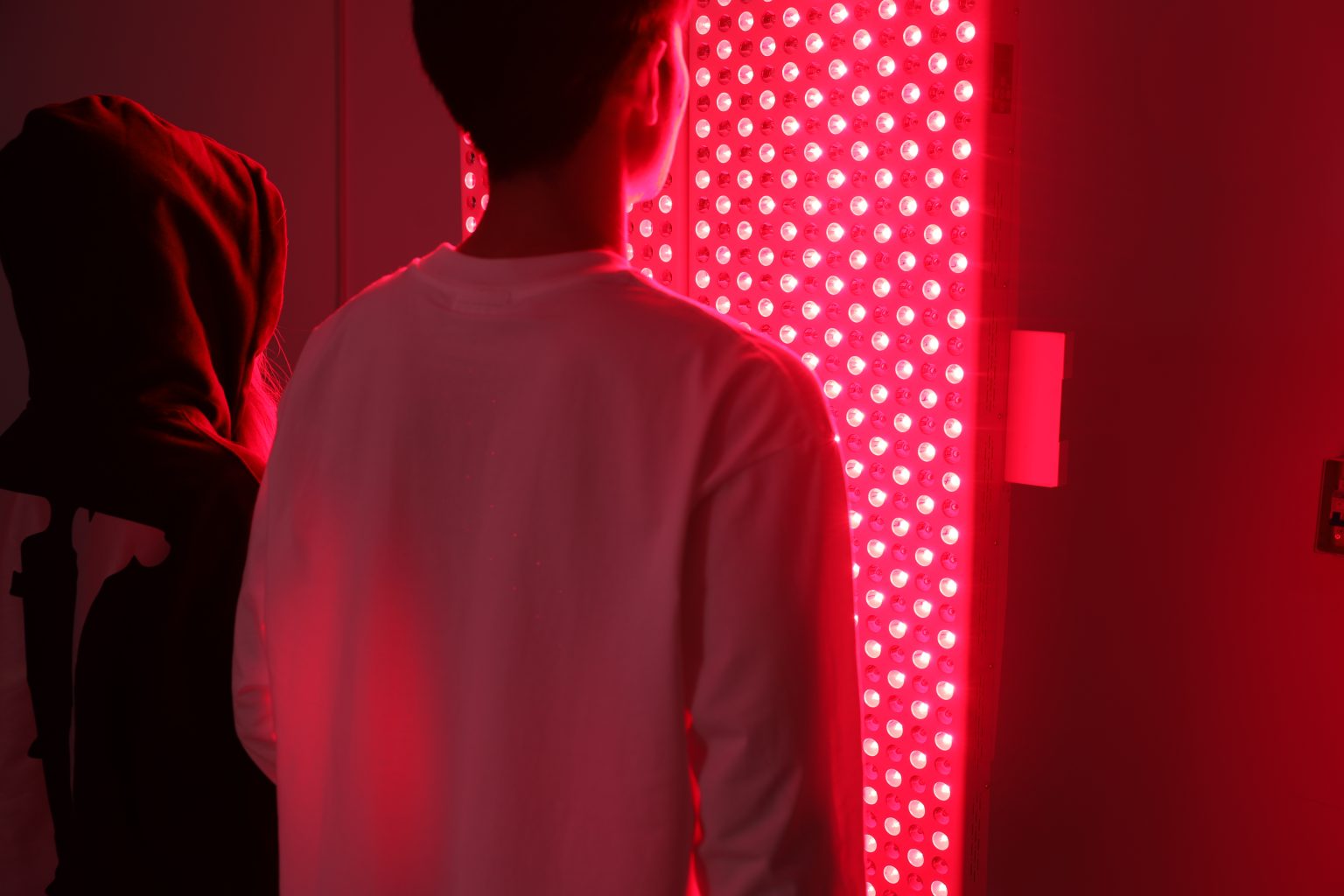
I say this because the scene repeats: someone tired, hopeful, willing to try one more thing. Data shows more people chase photobiomodulation for pain relief and skin health; yet many are still unsure about wavelength, irradiance, or safe dosimetry. I want to slow down here and ask—what separates useful tech from noise? This piece will walk through that question step by step, and then look ahead to what companies should do next. Let’s start by unpacking where traditional choices stumble, and why real-world users keep asking for better answers.
Why Legacy Solutions Often Miss the Mark
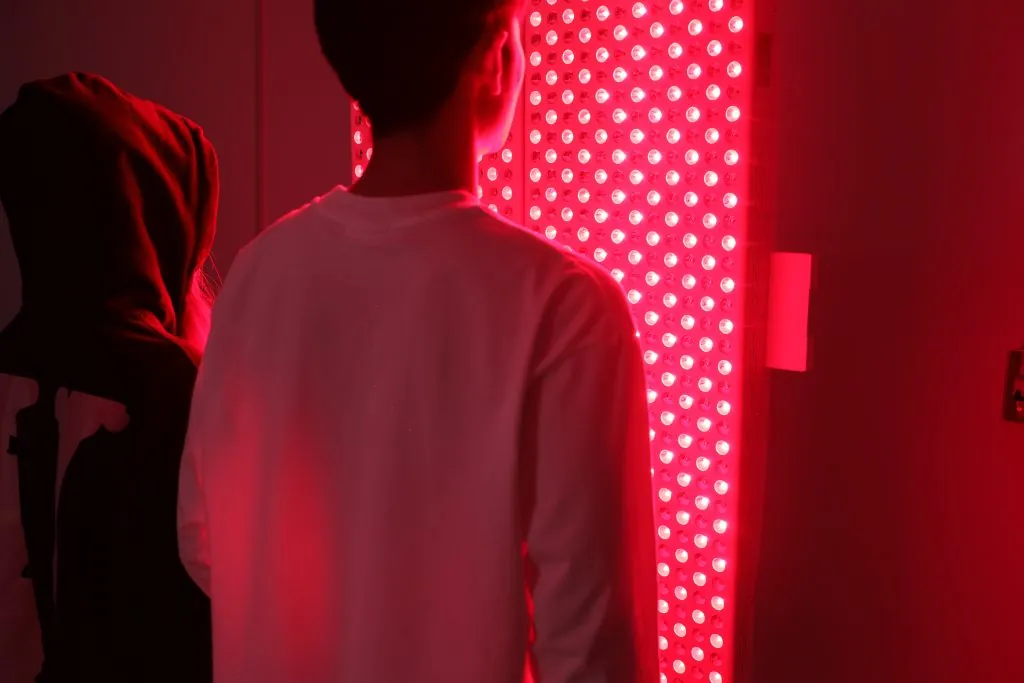
top red light therapy companies talk openly about missed expectations: devices that promise rapid fixes but ignore core variables like wavelength and irradiance. I’ve tested panels with weak LED arrays that deliver little more than warm light. From a technical view, photobiomodulation depends on targeted wavelength bands (often near-infrared or specific red peaks) and consistent power delivery — yet many legacy units lack fine dosimetry or stable power converters. Look, it’s simpler than you think: if you don’t control dose, results will vary wildly.
Why do legacy approaches fail?
First, manufacturers prioritized cost over calibrated output. That leads to low irradiance and uneven coverage. Second, users get poor guidance — vague session times, no mention of distance. Third, service and validation are weak: no clinical feedback loop, no firmware updates, just an off-the-shelf panel. I’ve seen clinics replace old bulbs with cheap LEDs and wonder why outcomes drop. The truth is practical: you need consistent irradiance, the right wavelength mix, and reliable engineering (think: power converters and thermal management). — funny how that works, right?
Looking Ahead: Case Outlook and Practical Metrics
What’s next? I like to imagine small clinics and at-home setups converging around better standards. In the near future, companies will pair sensors with devices to log session dosimetry and recommend schedules. That future leans on clearer principles: measuring delivered energy, tuning wavelength bands, and integrating user feedback loops. When I look at how some innovators operate, they don’t just sell a panel — they deliver data. top red light therapy companies are already piloting this kind of approach, combining app-driven tracking with calibrated LED arrays to improve repeatability.
What’s Next?
We should expect three practical shifts. One: clearer specs on wavelength and irradiance so customers can compare apples to apples. Two: built-in safety and feedback — simple sensors that tell you if the device is too close or if temperature is rising. Three: community-driven evidence, where clinics share outcomes (not marketing claims) and gradually refine protocols. I believe these steps will raise the bar — and they’ll force older makers to either upgrade or fade. Wait. There’s a human side too: people want reliability more than hype.
To wrap up with a few helpful metrics you can use when evaluating options, here are three I check personally: delivered irradiance at treatment distance (mW/cm²), wavelength specificity (nm bands supplied), and device feedback (does it log time, energy, and safety events?). Use those to vet any product — and ask for real-world data. If you want a brand example that is moving toward thoughtful engineering and transparent practice, check Magique Power: they aim to blend rigour with usability, and I appreciate that direction. — final note: choosing wisely means thinking like a patient and like an engineer.