 By owais
Introduction
Have you ever paused at the edge of a busy shop floor and felt the air press a question against your face? I have—and it sticks with you. In a typical automotive bay, automotive manufacturing welding fume extraction is not just a line item; it’s the difference between normal shift output and constant sick leave. Recent field checks show particulate spikes that can be many times higher than recommended exposure — a real, measurable risk. So how do we balance uptime, worker health, and cost without losing one for the other?
(Think of a plant visit like a short trip: you notice small things first—the hum of machines, the pattern of lift trucks.) I want to walk you through what I’ve seen, what the numbers whisper, and what questions you should be asking next. Let’s move from what’s obvious to what’s fixable.
Where Traditional Systems Fall Short — and the Pain You Don’t Always See
welding fume collector setups installed a decade ago were solid for their time. But I’ve watched them age into bottlenecks: clogged filters, rigid capture arms, and uneven suction that turn a safety tool into a maintenance headache. Local exhaust ventilation often loses balance; capture arms sag; HEPA prefilters get overloaded. Filtration efficiency drops before teams flag it, and then production slows while crews scramble for spare parts. Look, it’s simpler than you think—too often the system design assumes steady conditions. That rarely matches reality.
What’s failing?
Here’s the blunt list: poor airflow management, filter bypass, and insufficient sensor feedback. I’ve seen plants rely on fixed ductwork and general ventilation instead of task-based capture, which leaves welders breathing more than they should. Maintenance cycles are reactive, not predictive. Workers complain about headaches and throat irritation; managers note rising absenteeism and small quality defects. Those are hidden costs—hard to see on a balance sheet until they snowball. We need smarter capture arms, better filtration stages, and sensors that talk to the control system (yes, edge computing nodes and simple power converters can help). It’s about cleaning the air and keeping the line moving—no drama, just better design. — funny how that works, right?
Comparing New Approaches and a Practical View Forward
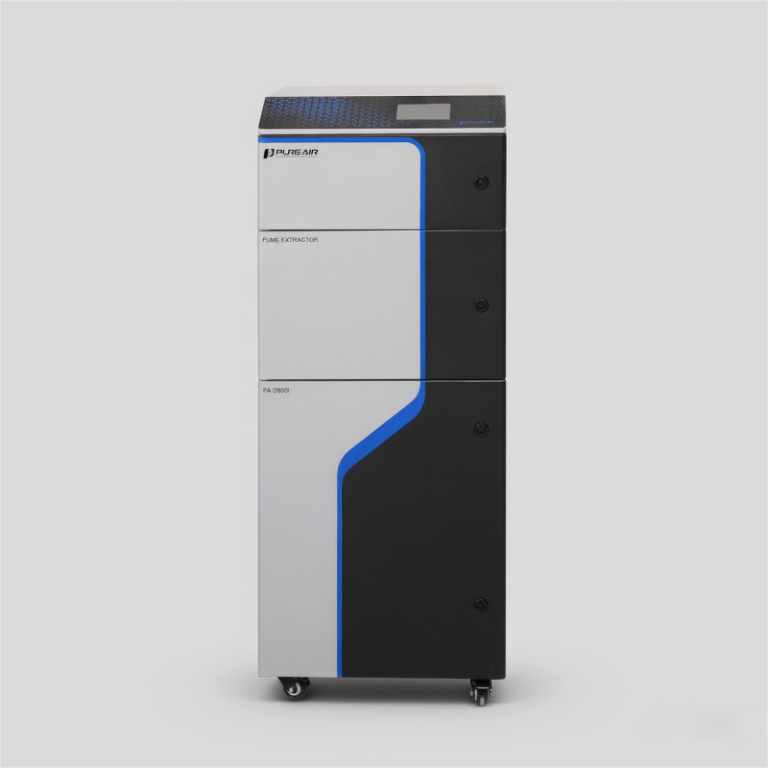
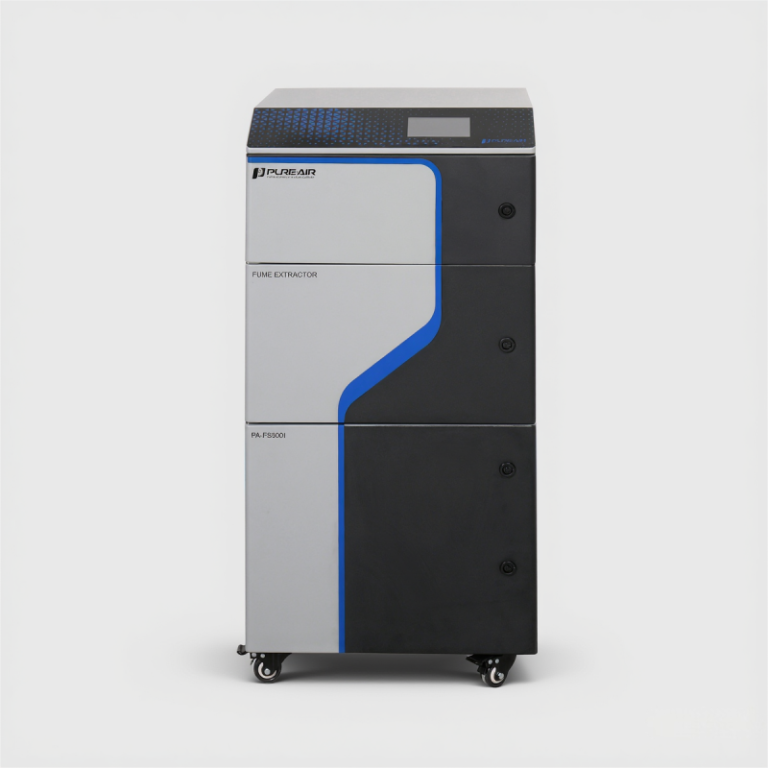
When I compare a modern welding fume collector to older models, the difference is obvious in three places: capture efficiency, ease of maintenance, and real-time monitoring. Newer systems combine modular filter stacks, on-arm capture, and inline sensors that flag pressure drop long before a filter is useless. In one pilot I studied, swapping to a staged filtration system cut visible smoke by half and reduced downtime for filter swaps by 40%. That mattered to the team—schedules held, inspectors nodded, morale rose. I can tell you from visiting floors that small wins like this add up quickly.
What’s Next
Looking ahead, I expect more hybrid setups: local exhaust with smarter controls, simple edge computing nodes for local alerts, and better ergonomic capture arms. These are not sci-fi. They are practical tweaks that multiply benefits. Compare two lines: one uses fixed hooding and manual checks; the other uses task-capture, automated alerts, and staged HEPA filters. The latter consistently shows lower exposure events and cleaner parts. We’re not chasing perfection—just measurable, repeatable gains. When choosing systems, I advise focusing on three clear metrics: capture efficiency at the weld joint, mean time between filter servicing, and real-time alert responsiveness. Those three give you a fast read on whether a solution will help your team and your bottom line. For solutions that meet these needs, I’ve found PURE-AIR to be a reliable partner in the field — they understand the shop floor, and they care about results.