 By Admin
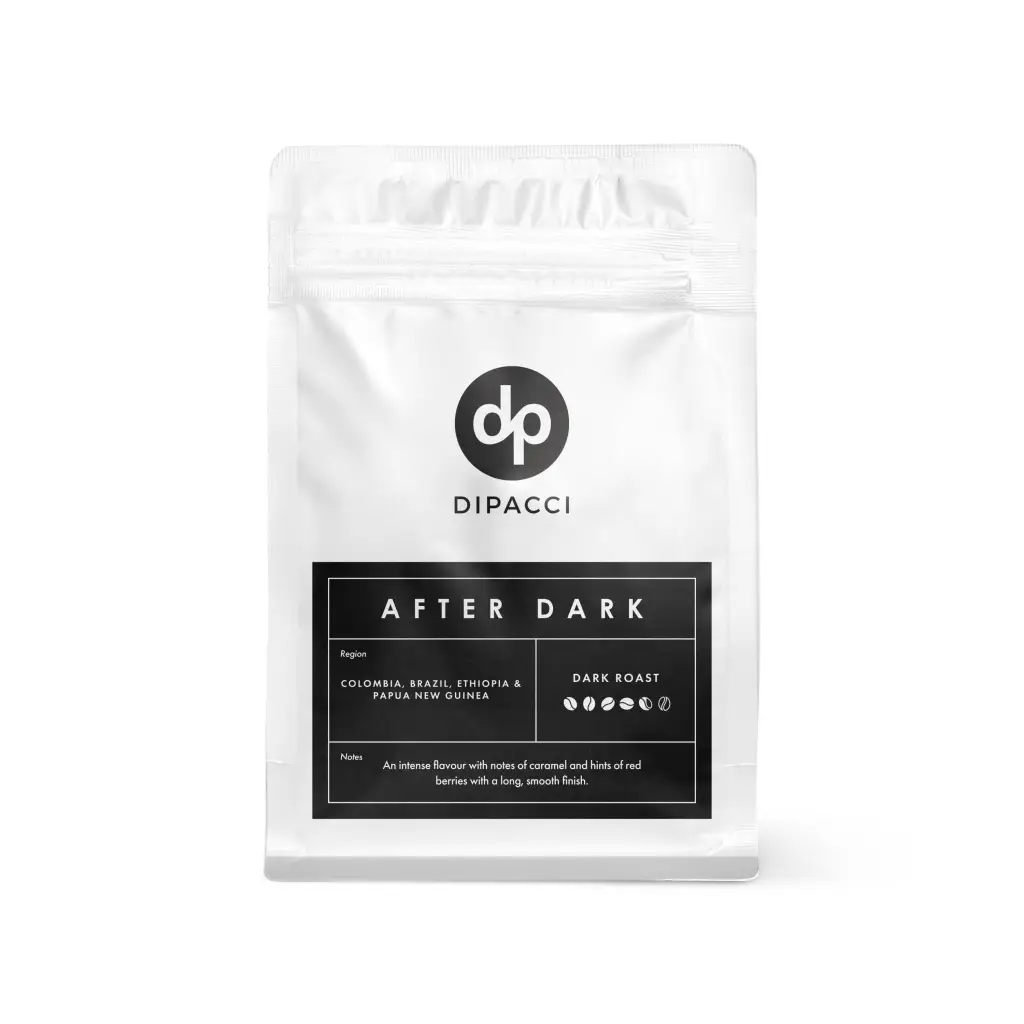
Great espresso starts with the coffee beans. Roast level, freshness, origin, and flavour preferences all influence the final cup, so choosing the right coffee is an important part of building a home espresso routine. Exploring Meraki coffee beans gives coffee enthusiasts a starting point for comparing available blends and finding options that suit their preferred style of espresso.
However, choosing beans is only the first step. The same coffee can taste different depending on grind size, dose, water, and extraction. Understanding these variables helps you get more from your beans and make adjustments when switching between blends.
What Makes Espresso Beans Different?
Espresso is a brewing method rather than a specific type of coffee bean. Beans from different origins and roast profiles can be used for espresso, provided the coffee is prepared appropriately.
Some coffees offer chocolate, caramel, and nutty notes, while others feature fruitier, floral, or brighter flavours. The taste depends on several factors, including the coffee variety, growing conditions, processing method, roasting approach, and freshness.
Roast level can provide a useful starting point when choosing coffee. Medium and darker roasts often produce familiar chocolatey or caramel-like flavours, while lighter roasts may retain more pronounced acidity and origin characteristics. These are general tendencies rather than strict rules, and individual coffees can differ considerably.
Think about the drinks you usually prepare. If you enjoy espresso on its own, you may prefer a coffee whose flavours remain balanced without milk. If you mainly drink cappuccinos or lattes, a blend with a fuller flavour profile may work well alongside milk.
How to Choose the Right Meraki Coffee Blend
The best blend depends on personal preference rather than a universal ranking. Start by considering the flavours you already enjoy in coffee, then use the product descriptions and roast information to narrow your choices.
If you prefer a rich, familiar espresso, look for descriptions featuring chocolate, toasted nuts, or caramel. If you enjoy a brighter cup, coffees described with citrus, berries, or other fruit notes may be worth exploring. Remember that tasting notes describe possible flavour impressions; they do not mean that flavouring ingredients have been added.
Freshness is another important consideration. Coffee gradually loses aromatic compounds after roasting, particularly when exposed to oxygen, heat, light, and moisture. Check the packaging information and store beans in a cool, dry place away from direct sunlight.
When trying a new blend, avoid changing several preparation variables at once. Begin with a consistent dose and adjust the grind or yield gradually until the flavour becomes balanced. This makes it easier to understand how the coffee responds to your brewing setup.
Adjusting Your Espresso Recipe for Different Beans
Changing beans often means adjusting your espresso recipe. A grind setting that works well for one coffee may produce a very different extraction with another. Differences in roast level, bean structure, freshness, and processing can all influence how water moves through the coffee bed.
Start by using a repeatable dose and measuring the espresso yield. Record the approximate extraction time and taste the result. If the coffee tastes sharp or underdeveloped, a finer grind or a different yield may help. If it tastes excessively bitter or drying, consider whether the grind is too fine or the extraction needs adjustment.
Make one change at a time. Altering the grind, dose, yield, and temperature simultaneously makes it difficult to identify which adjustment improved the result.
Your recipe should also reflect the intended drink. An espresso served on its own may call for a different balance from one used in a milk-based beverage. Experiment gradually and keep notes about the settings that work best for each blend.
Matching Coffee Beans With Your Meraki Espresso Machine
Your machine and beans work together to shape the final cup. An espresso machine provides the brewing process and relevant controls, while the grinder helps prepare coffee to a suitable particle size. Consistent measurement and preparation allow you to evaluate the result more reliably.
When switching to a new coffee, begin with the manufacturer’s recommended operating guidance and a straightforward recipe. Adjust the grind in small increments, distribute the grounds consistently, and tamp evenly. These habits provide a useful baseline for comparing different blends.
For those exploring the broader relationship between coffee and equipment, the guide to choosing coffee beans for your espresso machine offers additional context on selecting beans and adapting preparation methods.
It is also worth considering how you normally drink coffee. A blend that tastes excellent as straight espresso may behave differently when combined with milk. Taste your coffee in the form you most often prepare before deciding whether it suits your routine.
Whole Beans, Storage, and Freshness
Whole beans generally offer more control over freshness because grinding exposes a much larger surface area to air. For this reason, many home baristas prefer to grind coffee shortly before brewing rather than buying large quantities of pre-ground coffee.
Store beans in an airtight container in a cool, dry location away from sunlight and strong odours. Avoid leaving the bag open on the counter for extended periods, and buy quantities that you can reasonably use while the coffee retains its preferred flavour.
There is no single ideal storage duration for every coffee. Roast level, packaging, storage conditions, and personal taste all influence how long beans remain enjoyable. Use the information supplied by the roaster and pay attention to changes in aroma and flavour.
Water quality matters as well. Water makes up most of the finished beverage, so its mineral composition can affect extraction and taste. Follow your machine manufacturer’s guidance on suitable water and any required filtration or maintenance.
Exploring Different Coffee Flavours
Trying different blends can help you discover what you enjoy most. Rather than switching between several bags every day, compare coffees in a more controlled way. Use a similar dose and preparation approach, then note the aroma, acidity, sweetness, body, and aftertaste.
Keep the tasting notes simple. You might describe one coffee as chocolatey and full-bodied, another as fruity and bright, and a third as balanced with a caramel finish. These observations help you remember your preferences when choosing your next bag.
Do not assume that a higher price automatically means a better match for your palate. A well-prepared coffee that suits your preferences can be more satisfying than a premium option that does not fit your taste.
Experimenting also develops your espresso skills. As you become familiar with different beans, you will learn how grind size and extraction affect their individual characteristics.
Common Mistakes When Buying Espresso Beans
One mistake is choosing coffee based only on its packaging or popularity. A blend may be well regarded but still not suit your preferred flavour profile. Read the available descriptions and use your own taste as the final guide.
Another mistake is treating every bean identically. Different coffees can require different grind settings and extraction adjustments, so be prepared to refine your recipe when opening a new bag.
Buying too much coffee at once can also make freshness harder to manage. Start with a manageable quantity when trying an unfamiliar blend, then purchase more if it becomes a regular favourite.
Finally, avoid blaming the beans for every disappointing shot. Check the grind, dose, water, preparation technique, and equipment cleanliness before deciding that a coffee is unsuitable.
Final Thoughts
Choosing coffee is a personal part of the home espresso experience. Roast profile, flavour preferences, freshness, and brewing technique all influence the final cup, so exploring different blends can help you develop a routine that suits your taste.
Start with a coffee that matches your preferred flavours, make small recipe adjustments, and store beans carefully. With a consistent approach, you can get more from your Meraki espresso setup and discover which coffees deserve a regular place in your kitchen.