 By owais
A Real-World Scenario
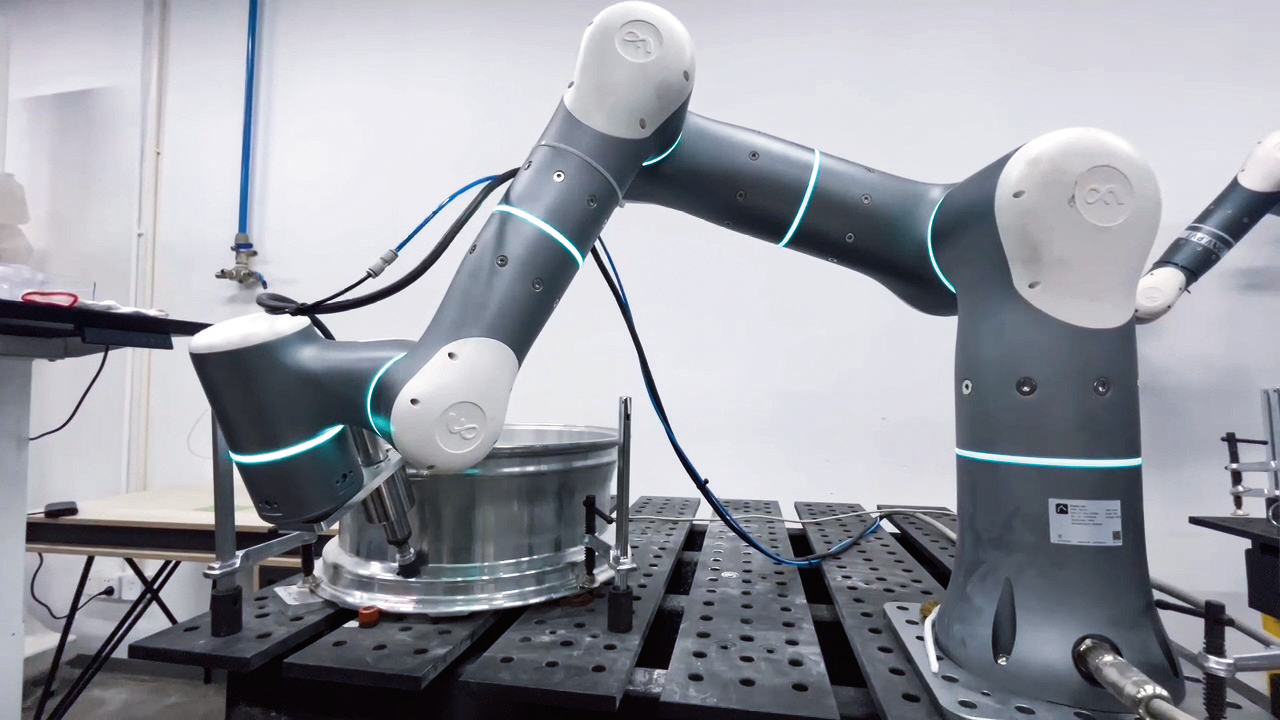
I vividly recall visiting a manufacturing plant where they implemented robot machining to enhance productivity. Initially, they celebrated a remarkable 30% increase in output. However, over time, I watched as the same machines began to present unexpected challenges. It made me ponder: Are production metrics the full picture? In the realm of precision machining automation, which areas can trap users unaware? Let’s dive deeper.

Flaws in Traditional Solutions
Many businesses blindly embrace the promise of automation without a real understanding of potential flaws. One key issue is insufficient training for operators. I once consulted with a company in Pune where over 50% of their workforce struggled with the new robotic systems. The robots could handle complex machining tasks, yet without the right human interaction, they often malfunctioned. This reveals a stark truth: no matter how sophisticated the technology, without proficient operators, it’s merely an expensive paperweight.
Is Automation the Answer?
Automation can be a double-edged sword. While most assume that integrating advanced technology stands as a one-size-fits-all solution, this couldn’t be further from the truth. The hardware must align with current operational practices. If it doesn’t, you may find yourself investing more in fixes than you did into the automation itself. Have you ever seen someone stuck in a rut without a solid plan? The result is often bewildering inefficiencies.
What’s Ahead for Precision Machining Automation?
As we assess the landscape, it’s crucial to contemplate where we’ll be heading. Imagine a world where robot machining not only automates but also optimizes each process in real time. The ongoing evolution suggests that future systems will leverage AI to predict failures before they occur. This means fewer disruptions and improved operational flow.
Real-World Impact
Already, I see businesses pivoting towards these solutions. For instance, a leading company in Bengaluru adopted predictive analytics in their robotic systems last year, resulting in a 40% reduction in downtime. They learned not only to implement technology effectively but also to trust it in critical scenarios.
Lessons and a Reflection
To summarize, it’s evident: while precision machining automation promises enhanced productivity, vigilance is essential. The three key evaluation metrics for anyone considering these solutions? First, assess your team’s readiness for operational changes. Second, ensure the technology aligns with your existing workflows. Finally, evaluate the integration capabilities of any new system. The path to success lies in both technology and human proficiency—a balance that must be carefully maintained.
As we charge towards a more automated future, I encourage you to embrace the potential but remain wary. After all, it’s not merely about adopting the latest technology; it’s about ensuring it functions harmoniously within your environment. Together, let’s redefine what precision machining means in the years to come. For more insights, I highly recommend checking out resources at nan.