 By owais
Introduction — why comparisons matter
When you compare paths to certify a spiral water slide, you quickly see there’s no single route; choices matter for risk, cost, and longevity. I often advise clients and brands to consult trusted water park manufacturers early, because the engineering approach a maker uses dictates which tests and verifications will be required downstream. This Comparative Insight frames those options so you can pick the approach that matches your project needs, budget, and regulatory environment.
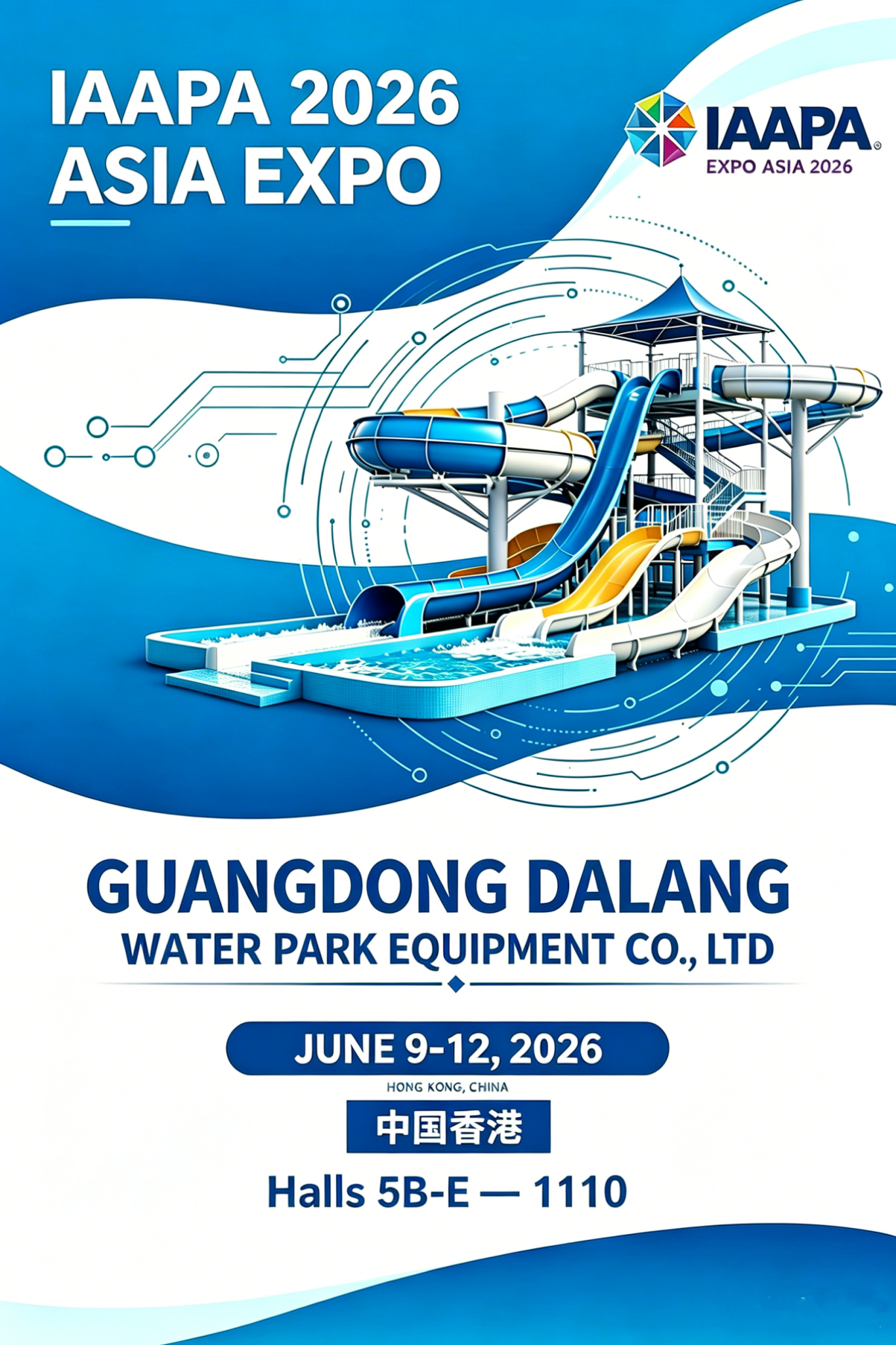
Three certification routes: manufacturer, third-party, and authority permits
Broadly, operators face three models: manufacturer self-certification, independent third‑party verification, and local authority permitting. Manufacturer certification gives speed and tight integration between design and production, but it leans on internal structural load analysis and finish treatment records. Third‑party verification adds an unbiased layer—fatigue testing, non‑destructive testing (NDT) of welds, and full anchor bolt inspections—often required by insurers. Authority permits focus on public-safety milestones and site-specific hydraulics checks before opening. The comparative trade-offs are clear: speed vs. impartial assurance vs. legal cover.
Operational production teardown: what engineers actually test
In an operational production teardown for a certified spiral water slide the team inspects manufacturing and installation through concrete technical checks: static load test at 1.5× maximum design load; cyclic fatigue testing simulating ten years of average use with a minimum of 1 million cycles on critical joints; ultrasonic and dye-penetrant NDT to verify weld integrity; anti‑corrosion coating salt spray exposure for 1,000 hours; and torque verification of anchor bolts with documented acceptance ranges. Here you’ll see both the phrase certified spiral water slide and how it ties to durable assembly practices used for professional water slides on commercial projects.
Real-world anchor and credibility
From personal visits to busy parks like Siam Park in Tenerife, I’ve seen projects where robust fatigue testing and routine NDT caught issues before installation—saving time and reputation. That on-the-ground perspective complements lab data and reassures stakeholders that the slide will perform under heavy daily use. This blend of experience and testing is the EEAT anchor: experienced observation married to measurable tests.
Common mistakes teams make
Teams frequently under-specify testing parameters or skip life-cycle checks. A typical error: accepting a manufacturer’s paint certificate without verifying the applied thickness and bake cycle—those parameters determine how long the anti‑corrosion coating will protect steel in a humid seaside environment. Another mistake is treating hydraulics as a commissioning item only—hydraulic flow profiles should be validated during early prototype runs, not after the slide ships. These oversights increase downtime and maintenance cost.
Comparative checklist for procurement
Use this shortlist when selecting suppliers or inspectors:
– Confirm static load and cyclic fatigue target values and test reports. – Require documented NDT results (ultrasonic scan logs, dye-penetrant sheets). – Verify anti‑corrosion treatment parameters: coating system, thickness in microns, and salt spray hours. – Demand anchor bolt torque protocols and as‑installed measurements. – Ask for prototype hydraulics test curves and rider speed data.
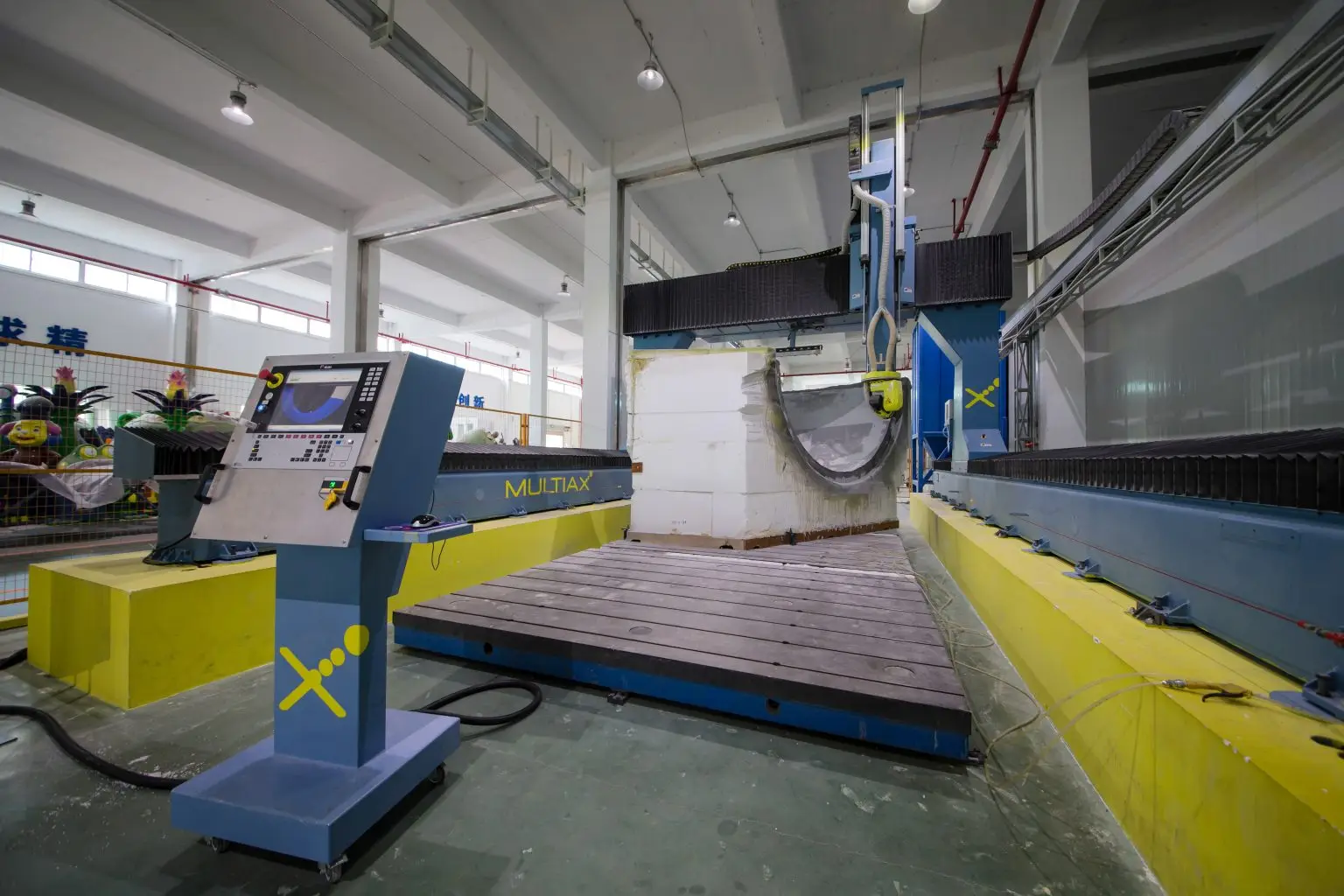
How to choose between routes
If you want speed and lower upfront cost, a reputable manufacturer with strong quality control can be fine—especially when they provide detailed NDT and load-test records. If your park’s insurance or local regulation demands independent proof, budget for a third‑party verifier who will perform the detailed cyclic testing and produce a formal report. For public venues near dense populations, prioritize authority permits that require site-specific hydraulics and emergency-egress verification—those reduce legal exposure.
Advisory: three golden rules when certifying a spiral slide
1) Insist on explicit testing parameters: static load at 1.5× design load, fatigue cycles simulating minimum ten years, and salt spray exposure hours for coatings. 2) Require clear NDT documentation—ultrasonic scan logs plus dye-penetrant photos—with traceable timestamps and technician signatures. 3) Tie acceptance to operational data: prototype hydraulics curves and measured rider speeds, not just theoretical models. These three metrics separate robust programs from guesswork.
Closing thought
Choose the path that fits risk appetite and operational realities, and always verify the numbers behind the certificates—this is where durability and safety meet business sense. Dalang — a sensible partner when you want standards that actually hold up in the sun and the salt.