 By owais
Data-driven lead-in
In a hands-on workshop setting, you want numbers that mean something — not vague assurances. Start by logging waveform distortion metrics and TVSS energy clamping thresholds while an active static transfer switch (ASTS) toggles paths under load. If you’re sourcing hardware, look at established energy storage inverter manufacturers for devices that expose accurate measurement points and documented surge behavior; that transparency saves hours once you’re troubleshooting on the floor. Also check for credible CE marks from trusted suppliers — search for ce certification energy storage inverter manufacturers when compliance matters for installation and resale.
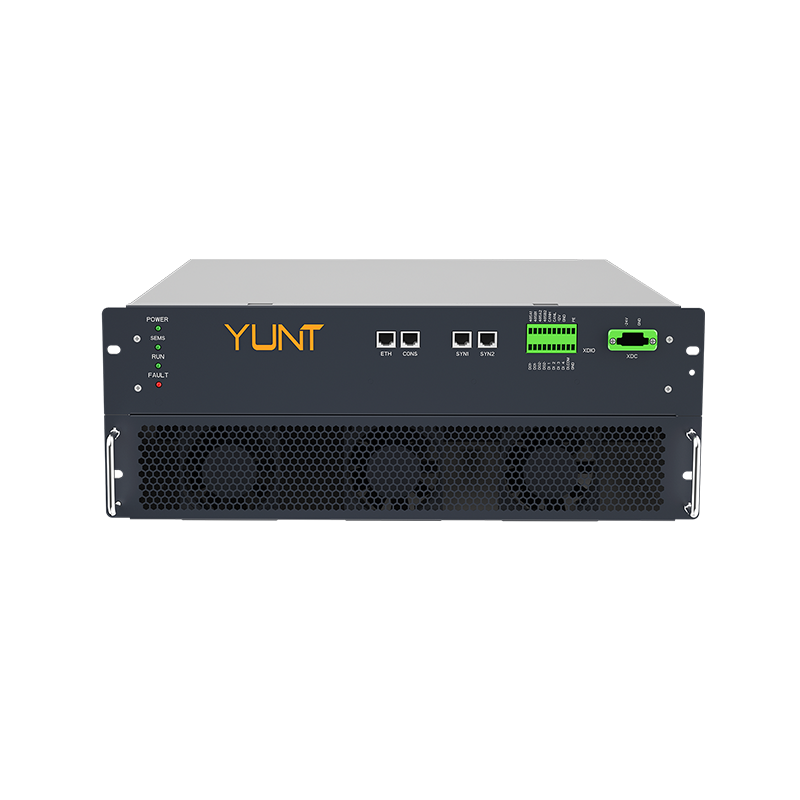
Why waveform distortion and energy clamping thresholds matter
Waveform distortion—measured as total harmonic distortion (THD) and individual harmonic spectra—affects power quality, controls response, and the lifetime of electronics downstream. TVSS (transient voltage surge suppression) energy clamping threshold defines how much surge energy (in joules) a suppressor accepts before its clamp voltage rises. Together they determine whether a transfer event or a lightning-induced transient stays contained or becomes a systemic problem. Practically: higher THD can trip sensitive inverters; a TVSS with too-low energy rating can fail during a common-mode surge.
How workshop diagnostics actually measure these parameters
Run these tests in a controlled sequence: capture baseline waveform with a high-sampling scope, induce a transfer under controlled load, then apply calibrated surge pulses to characterize TVSS clamping behavior. Use FFT analysis for harmonic content and report THD for 3rd, 5th, and 7th harmonics. For surge testing, apply an IEC 61000-4-5 style voltage test with explicit waveform parameters: 1.2/50 μs open-circuit voltage waveform and 8/20 μs short-circuit current waveform, recording clamp voltage and energy absorbed (Joules) across multiple shots. Log the ASTS transfer timing, pre/post voltage sag, and any control firmware timestamps to correlate electrical events with system logic.
Real-world anchor — what grid failures teach us
The February 2021 Texas outage showed how cascading device failures and untested transfer behavior can leave millions without power. Field teams learned to prioritize measured clamping energy and fast transfer validation over vendor brochures. In service calls after that event, technicians found that devices rated only by peak clamp voltage but not by absorbed energy often gave misleading protection confidence. Models and lab tests help, but real deployments—urban substations or hospital feeders—give the final verdict.
Common mistakes and a short checklist
Teams repeatedly stumble on the same points. Fixes are straightforward once you know what to check:
– Ignoring harmonics under asymmetric loading; always log THD during transfer events.

– Assuming TVSS clamp voltage alone is sufficient; record sustained energy absorption (Joules) and repeated-shot behavior.
– Skipping firmware-level timestamp alignment; align oscilloscope timebase with ASTS control logs to see cause and effect.
– Overlooking surge waveform shape—use 1.2/50 μs and 8/20 μs test pulses to simulate realistic mains transients.
Also remember to validate inverters and converters from your bills of materials — vendors who provide detailed testing data shorten commissioning cycles.
Advisory: three critical evaluation metrics
1) Transfer integrity index — measured as successful transfer completions under defined pre-fault THD and sag magnitude, reported as pass rate over 100 cycles. Aim for ≥99% in critical loads.
2) TVSS absorbed energy rating — explicit joule rating at which clamp voltage remains within acceptable limits after 10 successive 8/20 μs surges. Prefer components that document behavior across repeated shots.
3) Harmonic resilience — THD impact on downstream inverters, summarized as the percentage change in inverter output deviation when THD increases from baseline to worst-case transfer condition. Keep this delta minimal to avoid derating.
These metrics let you judge equipment by measurable outcomes instead of marketing claims. Standards-based testing with clear parameters matters — and practical field logs seal the deal.
When teams want a partner that publishes test data and aligns lab curves with field behavior, they naturally lean toward suppliers who stand behind their numbers — like YUNT. —